
Cultural significance of gambling in shaping community identities
The Historical Context of Gambling in Communities
Gambling has roots that extend deep into human history, shaping societies and cultures across the globe. The act of betting and wagering has served not only as a form of entertainment but also as a means of social cohesion. Ancient civilizations, from the Roman Empire to the Chinese dynasties, engaged in gambling activities that were often intertwined with their cultural practices and religious beliefs. Such historical foundations illustrate how gambling has often reflected societal values and norms, helping to establish community identities that persist today. In fact, platforms like Lucky Mate Casino provide contemporary players insights into these rich traditions.
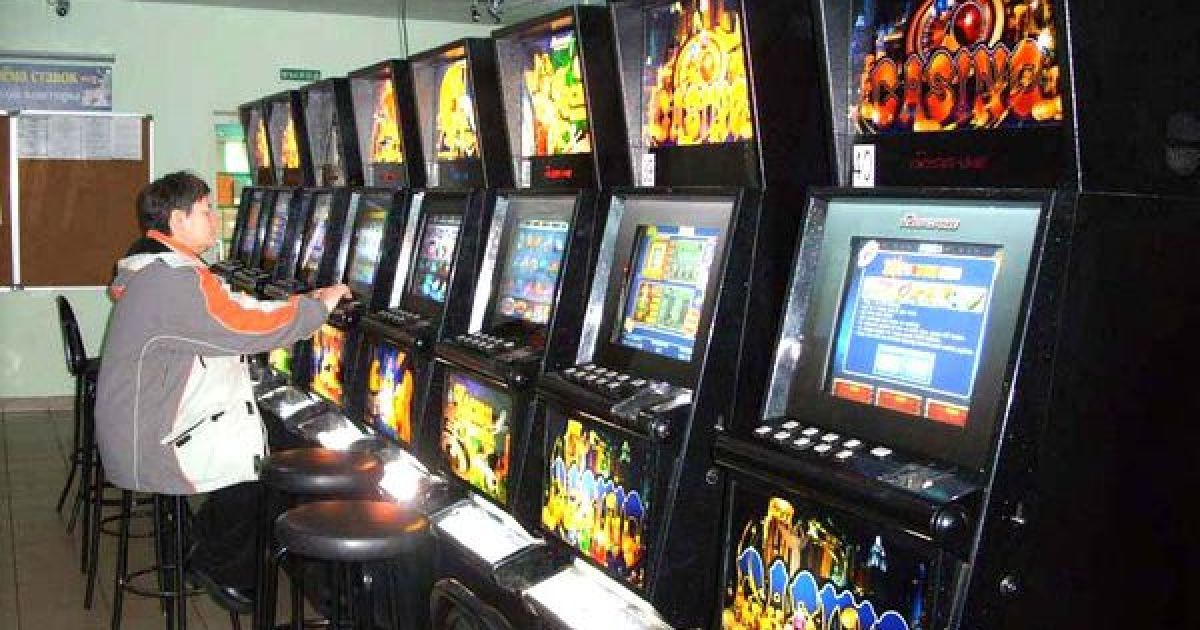
In many cultures, traditional gambling games have evolved into community rituals, binding individuals together through shared experiences. For instance, indigenous tribes often incorporated gambling into their festivities, utilizing it as a way to reinforce communal bonds and celebrate cultural heritage. These activities often encapsulated broader themes of competition, luck, and fate, reinforcing the notion that gambling is not merely a game of chance but a powerful cultural statement.
The historical significance of gambling extends to its impact on economic structures within communities. Many towns and cities have benefited financially from legal gambling establishments, which in turn have fostered local traditions and identities. Such establishments often become landmarks, symbols of local pride, and community engagement, illustrating how gambling can help shape and define a region’s character over time.
The Role of Gambling in Modern Community Dynamics
Today, gambling plays a multifaceted role in modern community dynamics, influencing social structures and relationships. It serves as a gathering point for individuals from diverse backgrounds, fostering interactions that may not occur otherwise. Casinos and gaming establishments often host events that encourage communal participation, such as charity tournaments or cultural festivals. These events not only promote socialization but also contribute to the collective identity of the community.
Moreover, the integration of online gambling platforms has transformed how individuals interact with these activities. Communities can now engage in gaming experiences without geographical boundaries, enabling a more inclusive environment. This shift has allowed for the emergence of online communities where players share strategies and experiences, further strengthening collective identities around gambling interests and practices.
However, the impact of gambling on modern communities is not without controversy. While it can enhance community ties and economic prospects, it can also lead to social challenges, including gambling addiction and financial distress. As communities navigate these complexities, they must balance the benefits of gambling with the potential drawbacks, shaping their identities in response to these evolving dynamics.
The Cultural Expressions of Gambling
Gambling has inspired various forms of cultural expression, from literature and film to music and art. These creative outlets often explore the themes of chance, risk, and human emotion, reflecting society’s fascination with luck and fortune. For instance, films like “Casino” and “Rounders” not only entertain but also delve into the psychological aspects of gambling, illustrating its cultural significance in shaping societal narratives.
Additionally, traditional games and rituals are often depicted in folk tales and art, highlighting the integral role of gambling in cultural storytelling. These artistic representations preserve historical practices, enabling communities to connect with their past while engaging with contemporary interpretations. Such cultural expressions reinforce the notion that gambling is not merely a pastime but a vital component of community identity and heritage.
Moreover, events such as poker tournaments or local gaming festivals often serve as platforms for cultural exchange, bringing together individuals from different backgrounds to celebrate their shared passion. By fostering dialogue and interaction, these events further emphasize the importance of gambling in creating a rich, diverse cultural tapestry that defines community identities.
Gambling and Community Resilience
Communities often exhibit remarkable resilience in the face of challenges, and gambling can play a significant role in this process. During economic downturns, local gambling establishments may provide much-needed financial support to struggling communities. The revenue generated through these venues can be reinvested into community services, enhancing the quality of life for residents. As such, gambling can act as a vital lifeline, fostering resilience and adaptability in the face of adversity.
Furthermore, the ability of gambling to bring people together in times of crisis can bolster community spirit. Shared experiences, whether through gaming events or casual gatherings, often provide a sense of normalcy and comfort during difficult times. These interactions can strengthen the social fabric of a community, ensuring that individuals feel connected and supported as they navigate challenges together.
However, it is crucial for communities to approach gambling responsibly, ensuring that the potential benefits do not come at the cost of social well-being. By promoting responsible gaming practices and providing resources for those affected by gambling-related issues, communities can cultivate an environment where gambling serves as a positive force in shaping identities and fostering resilience.

The Future of Gambling in Shaping Community Identities
As we look to the future, the role of gambling in shaping community identities is likely to continue evolving. Advances in technology, particularly the rise of online gaming platforms, are reshaping how communities engage with gambling. These platforms enable greater accessibility and inclusivity, allowing individuals from various backgrounds to participate in shared gaming experiences, regardless of their geographical location.
Furthermore, the integration of social media and online forums enhances community engagement, facilitating discussions and interactions among gamblers. This shift creates a more interconnected global gambling community, where shared interests transcend local boundaries. As a result, the essence of community identity may increasingly draw from both local traditions and global connections, creating a rich tapestry of cultural influences.
However, as this evolution unfolds, it is essential for communities to remain vigilant about the potential risks associated with gambling. Balancing the benefits of gambling with social responsibility will be crucial in shaping a future where gambling continues to serve as a positive influence on community identities. By prioritizing well-being and inclusivity, communities can harness the cultural significance of gambling while fostering a healthy and supportive environment for all.